Why a $200 Carbon Plate Won’t Save Your Pace
You’ll learn whether a carbon‑plate shoe actually translates to faster race times for ordinary mileage runners, and which metrics really matter. Most guides chase brand hype and ignore the biomechanical trade‑offs that decide if the shoe is worth the premium.
Where to buy on sale
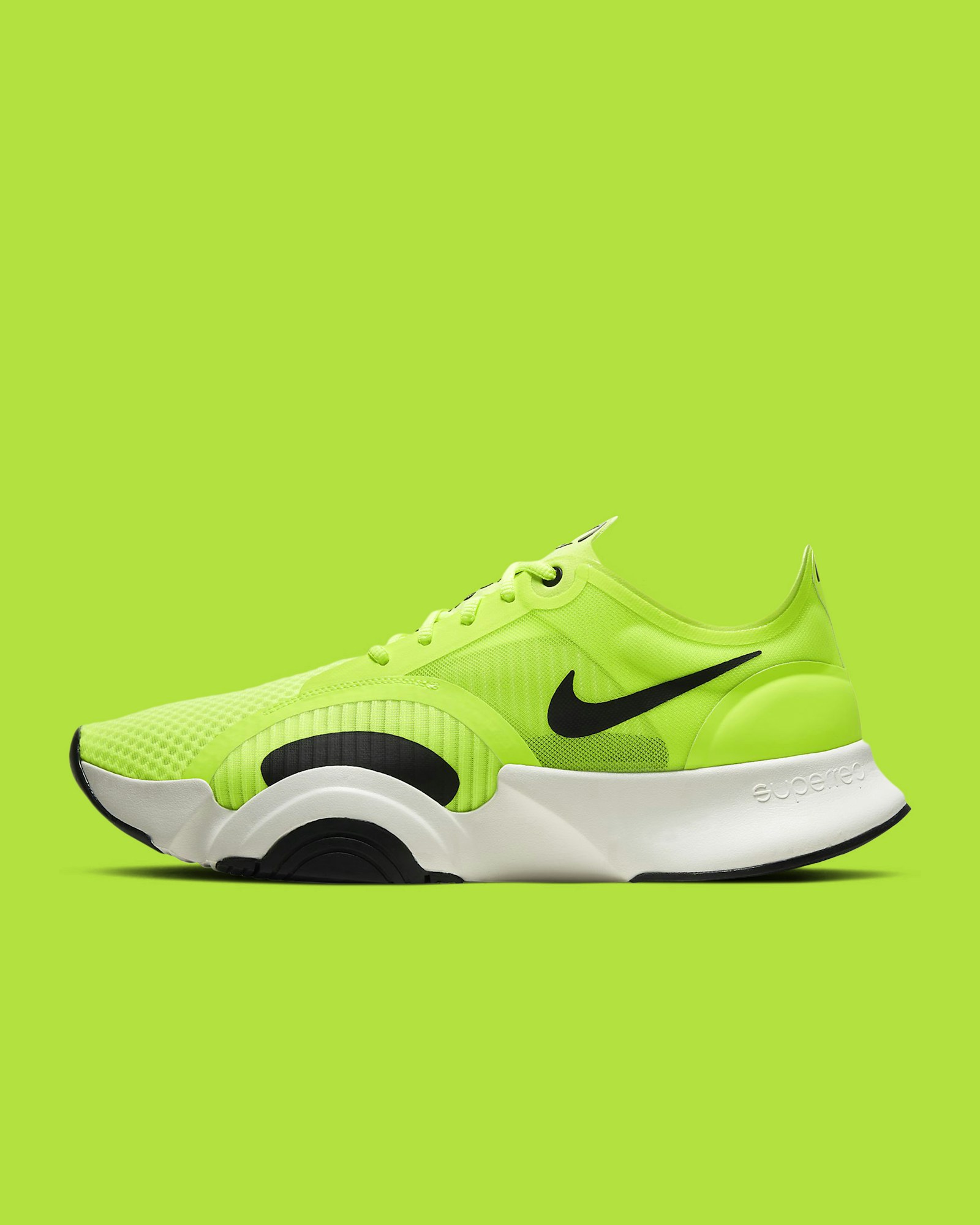
Imagine dropping a six‑figure price tag on a pair of sneakers that promise to turn you into a speed demon, only to discover the only thing that changed was the size of the receipt. The tension between paying for cutting‑edge tech and preserving a sensible training budget fuels endless forum debates, while the risk of buying a shoe that feels like a board under your foot looms over every online checkout.
Do carbon plates actually shave seconds off a 30‑minute mile?
Most runners assume that a stiff carbon insert works like a spring, catapulting each stride forward and guaranteeing a measurable drop in split times. The reality is that elite marathoners have logged improvements of roughly three to five seconds per kilometer when they switch from conventional foam to a plate model, but those gains shrink dramatically for athletes whose VO₂ max hovers in the middle of the pack. If you typically run 8‑minute miles, the math works out to a potential net gain of under twenty seconds over a full marathon—hardly enough to justify a shoe that can cost twice as much as a reliable trainer.
What the foam‑to‑plate trade‑off really feels like
Now the cushioning conversation shifts from “soft as a cloud” to “hard as a board with a rubber band.” A carbon plate removes a layer of compressible foam, replacing it with a semi‑rigid spine that channels energy forward but also reduces the shoe’s ability to absorb impact. Those who favor a plush ride often report a noticeable increase in heel‑strike sharpness after the first ten miles, especially on uneven pavement. The altered proprioception can feel like running on a treadmill belt that never quite gives, which some athletes love and others dread.
Are you buying hype or measurable return?
Meanwhile the marketing machine throws terms like “energy return” and “propulsive efficiency” at anyone scrolling past a glossy ad. A close look at independent lab tests shows that the claimed 30‑40 % boost in energy return rarely translates to real‑world speed, because the human body compensates with subtle changes in stride length and cadence. A handful of long‑distance runners have posted split charts where their carbon‑plate debut produced a flat or even negative delta compared with their favorite foam shoe, suggesting that the technology’s advantage is highly individual.
A deeper dive into user reviews uncovers a pattern: runners who already have a strong base in high‑cushion shoes often feel the plate’s rigidity as a penalty, while those who train in minimalist trainers sometimes experience a sweet spot where the plate adds just enough spring without sacrificing comfort. The data points to a sweet spot rather than a universal upgrade.
When does the extra stiffness become a liability?
Consider the biomechanics of a runner who lands with a pronounced heel strike and a slight overpronation. The added rigidity of a carbon spine can amplify the torque on the tibia, increasing the chance of shin splints or a stress fracture during high‑volume weeks. Because the plate locks the midfoot into a fixed angle, any deviation from the manufacturer’s recommended gait pattern can feel like a jarring wobble, especially on cobblestones or trail sections. The downside becomes glaring when the shoe’s stack height is low, leaving little room for error in foot placement.
Because the plate’s primary function is to act as a lever, it can also shorten the natural flex point of the forefoot, making toe‑off feel forced for athletes who rely on a strong push‑off from the metatarsals. Runners who incorporate a lot of hill repeats or sprint work may notice a premature fatigue in the calves, as the shoe’s geometry forces the gastrocnemius to work against a stiffer platform. In those scenarios, the perceived performance boost evaporates under the weight of added muscular strain.
Practical steps: testing, budgeting, and buying smart
Here’s a checklist that keeps the wallet from bleeding while you chase the plate hype. First, locate a specialty store that offers a ten‑kilometer trial on a treadmill or a local loop; many retailers will let you keep the shoes for a week in exchange for honest feedback. Second, compare the cost of a brand‑new plate model—typically ranging from $180 to $250—to a high‑quality foam alternative that sits between $120 and $170. Third, explore the resale market; lightly used carbon shoes often appear for $80‑$130, shaving off a substantial portion of the premium.
Budget‑focused runners can also consider buying the shoe without the plate and swapping in a third‑party carbon insert that costs $30‑$80, although the fit may differ from the OEM design. Finally, factor in the lifespan of the plate itself: most runners report a drop in responsiveness after 300‑400 miles, so plan for a replacement cycle that aligns with your race calendar rather than replacing the whole shoe after every half‑marathon.
Final checklist before you click checkout
Before you finalize any purchase, verify that the shoe’s return window exceeds the typical 30‑day period, as this gives you room to log a few long runs and decide if the stiffness truly matches your stride. Confirm the warranty covers delamination of the carbon layer, because a cracked plate can render the shoe unsafe without a refund. Lastly, cross‑reference the model’s advertised stack height and drop with your current shoes; a mismatch of more than five millimeters often signals a need for a transition plan rather than an instant upgrade.
Where to buy on sale
More gear on sale
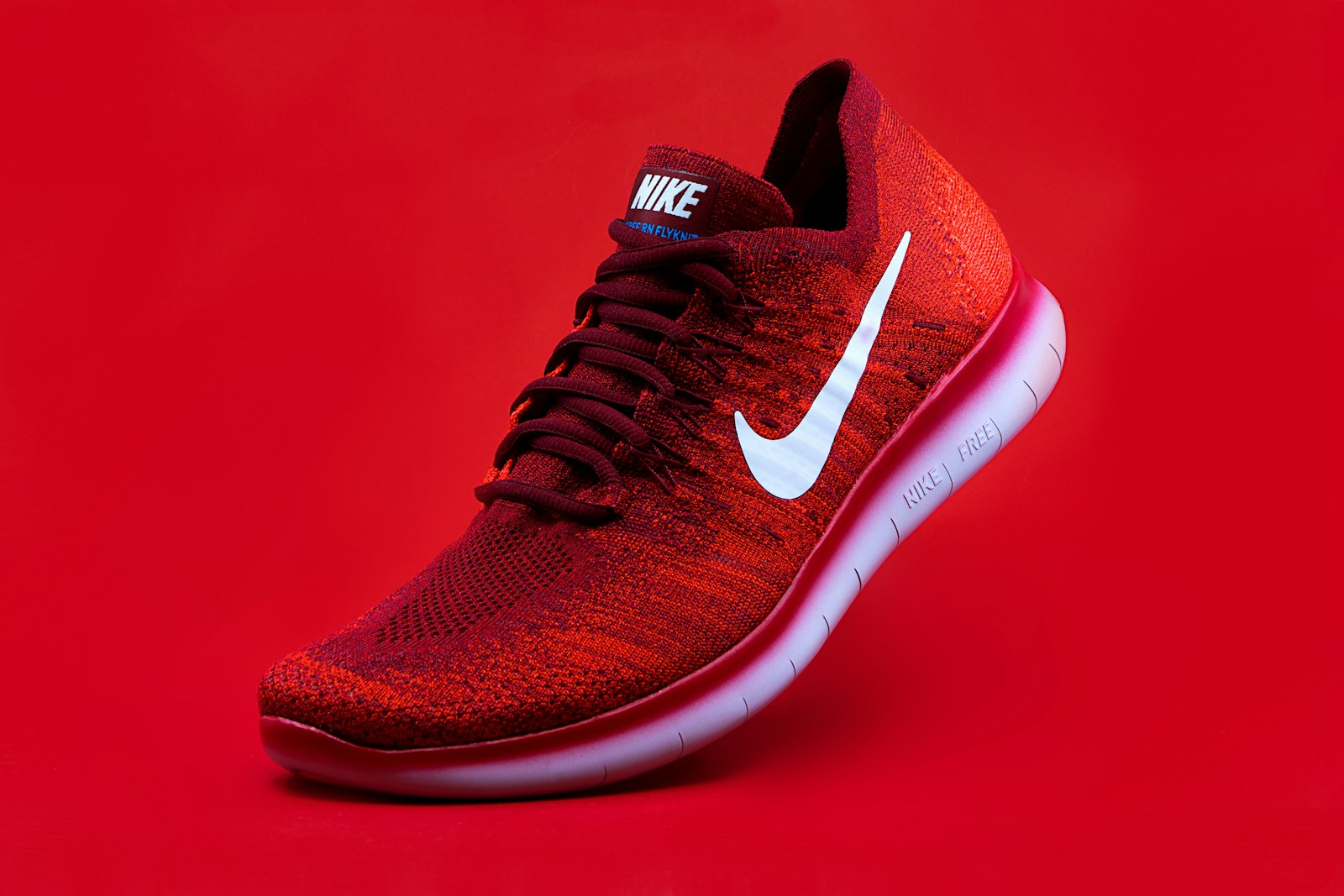
Last Year's Running Shoe Is the Best Deal in Running. Every Single Year
Running shoe brands update models every year, often with tiny changes. The outgoing version drops 30 to 50 percent. Here's how to time it and what to check before you buy.

Do You Need a GPS Running Watch? A Beginner's Honest Answer
GPS watches promise better training, but your phone already tracks runs. Here's when a running watch is worth it and which features beginners can ignore.